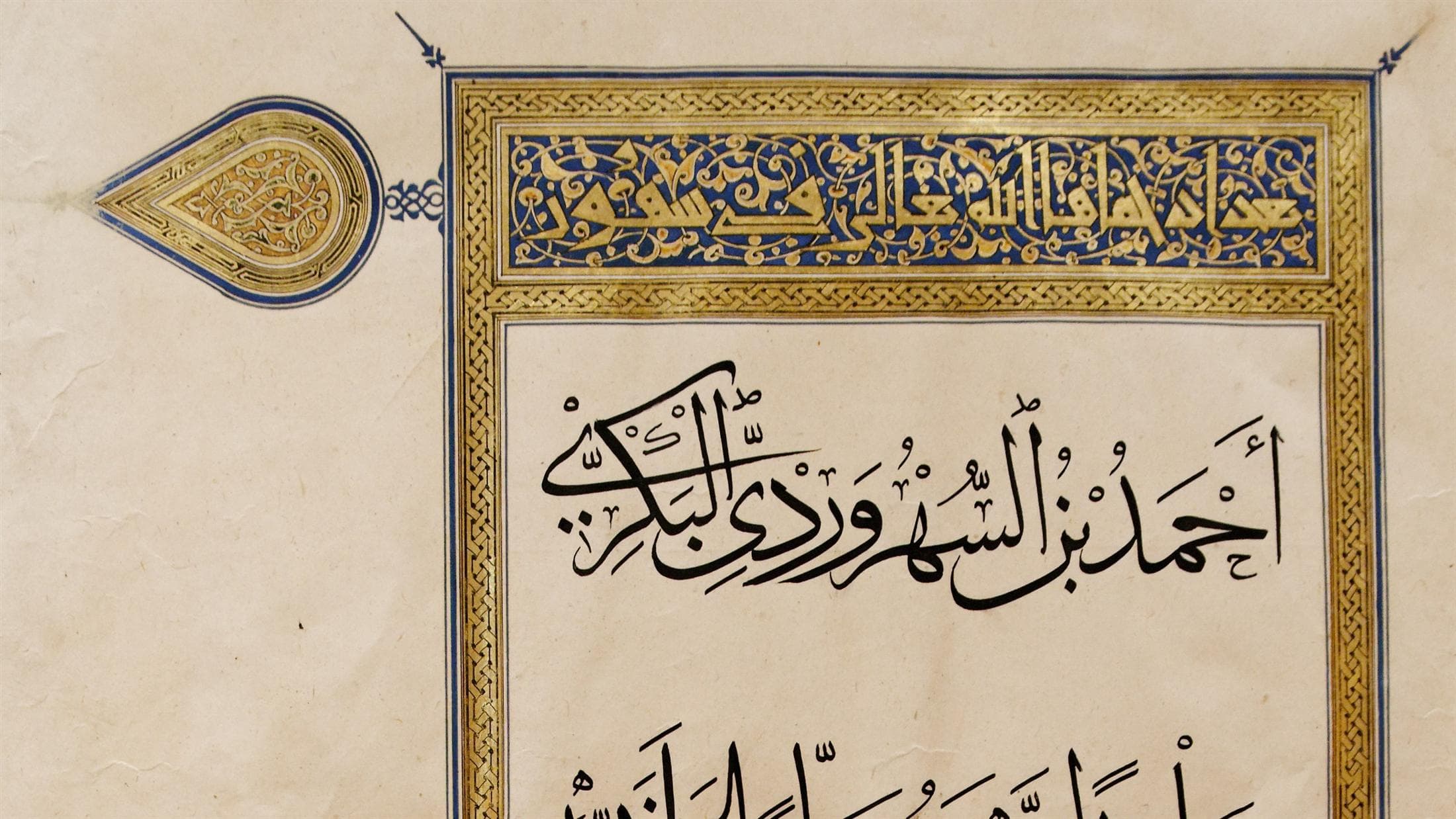
Islam
Islam teaches that there is one God, that Muhammad was his final prophet, and that the Quran is God's own words, given directly to Muhammad.
Islam holds distinctive teachings about the Quran, the prophethood of Muhammad, and the person of Jesus. This collection examines those teachings using the Quran and recognized Islamic sources, then compares them with Scripture.
What Muslims Believe
Muhammad and the Quran
Muslims believe Muhammad received the Quran, word for word, from God through the angel Gabriel, over about twenty-two years in the early 600s. They honor him as the last in a long line of prophets that includes Adam, Noah, Abraham, Moses, and — importantly — Jesus.
Because the Quran is seen as God's final and most accurate word, Islamic teaching generally treats it as correct wherever it disagrees with the Bible.
One God, with no exceptions
Islam's core conviction about God is that he is completely one — no partners, no parts, no plurality of persons. (Islamic theology calls this tawhid.) That's exactly why Islam rejects the Christian teaching that God is Father, Son, and Holy Spirit — to a Muslim, that sounds like three gods.
What Islam says about Jesus
Islam actually thinks highly of Jesus — born of a virgin, a miracle-worker, a true prophet. What it denies is that he's God or God's Son. And it denies something more specific still: the Quran says Jesus wasn't crucified at all, but was taken up to God instead (Quran 4:157) — a direct conflict with the New Testament's own eyewitness claim that Jesus really died and really rose.
Why Islam doesn't fully trust today's Bible
Many Muslims believe the Bible available today has been changed or corrupted from what God originally gave (Islamic teaching sometimes calls this tahrif). That belief is one reason the New Testament's claims about Jesus can be set aside rather than taken as reliable history.
How a person gets right with God
Islam doesn't teach salvation the way the New Testament does. There's no one decisive rescue — instead, a person's good and bad deeds are weighed on the Day of Judgment, and what they ultimately need is God's mercy.
Sin, in Islam, is mainly about disobedience, not something inherited that needs to be redeemed — so the main response to it is sincere repentance and a return to obedience (Islam calls this tawbah).
Where This Differs From the Biblical Gospel
The New Testament's central claim is that Jesus really died on the cross and really rose bodily from the dead (1 Corinthians 15:3-8) — and that salvation isn't deeds on a scale, but a gift, received by trusting what Christ already did (Ephesians 2:8-9).
These aren't small disagreements. They're about who God is, who Jesus is, and how a person is actually saved. The questions below examine each one using the Quran and recognized Islamic sources, compared with Scripture.
Everything else here — about Jesus, about salvation — depends on one earlier claim: that the Quran is actually the word of God. Start there, because that's the claim the rest of this page rests on.
Is the Quran the word of God?
Examine the Quran's own claims about itself and its relationship to the Torah and Gospel, then test that claim against Scripture's own standard for a later claimed revelation.
Scripture & Revelation
Was Muhammad a prophet of God?
Examine Islam's own account of Muhammad's prophetic call and his claimed finality as "seal of the prophets," then apply Scripture's own standard for testing a claimed prophet.
Has the Bible been corrupted?
Examine precisely what the Quran itself says (and doesn't say) about corruption of the Torah and Gospel, how the wholesale-corruption claim developed historically, and what the actual manuscript evidence for the Bible shows.
Who Is Jesus?
Who is Jesus in Islam — and who does the Bible say He is?
Examine the Quran's genuinely high view of Jesus alongside its explicit denial of his deity and sonship, then compare both with what the New Testament itself says about who Jesus is.
Is Jesus the Son of God?
Clear up what Christians actually mean by 'Son of God,' examine the Quran's objection fairly on its own terms, and show why disproving biological sonship does not refute a claim that was never being made.
Does Christianity worship three gods?
State plainly what historic Christian doctrine actually teaches about the Trinity, examine the Quran's objection at its strongest and most accurate, and show why one God in three persons is not three gods.
Was Jesus really crucified?
Examine the Quran's own wording denying the crucifixion, the disputed tradition behind it, and the biblical and historical evidence that Jesus was genuinely crucified, died, and rose bodily.
Salvation
Go deeper
The positive biblical foundation behind this comparison — not a response to Islam, but what Scripture teaches on its own terms.