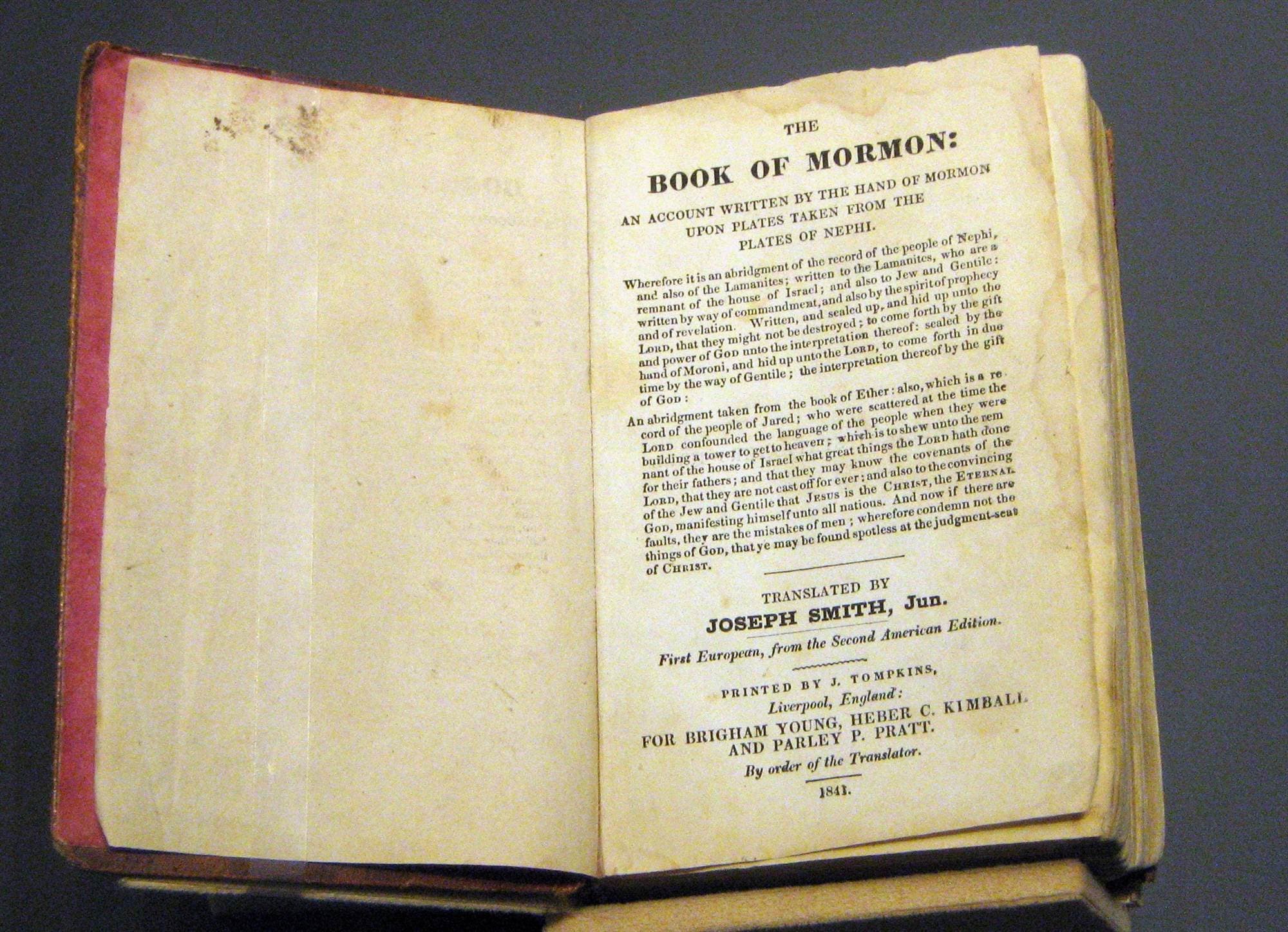
Can people be baptized for the dead?
In its temples, the Church of Jesus Christ of Latter-day Saints practices baptism by proxy on behalf of people who have died without being baptized — a living member is baptized in the deceased person's name. Official teaching explains this as offering the deceased person a free choice in the next life, which they may accept or reject, not as forcing baptism or salvation on anyone.
The Berea does not find proxy baptism for the dead established by Scripture.
The practice rests mainly on one difficult, much-debated verse — 1 Corinthians 15:29 — cited by Paul in passing to argue that the resurrection is real, not explained or commanded anywhere else in the New Testament. Set against Scripture's consistent pattern of tying baptism to a person's own repentance and faith, this is a thin foundation for an ongoing ordinance performed on another person's behalf.
What's actually being claimed, and what the key verse actually says
- The practice, officially explained. Performed only in temples; officially framed as offering a free choice the deceased person may accept or reject, not as compelling anyone.
- The biblical basis is one verse, cited in passing. 1 Corinthians 15:29 is part of Paul's argument that the resurrection is real — the practice it mentions functions as evidence for that argument, not as a command in its own right.
- The New Testament's actual, consistent pattern. Acts 2:38: baptism tied to "every one of you" — a person's own repentance and faith, not a proxy ordinance on another's behalf.
- Serious scholarship treats this verse as genuinely difficult. Multiple readings exist across very different traditions, but nearly all treat it as describing a Corinth-specific practice, not establishing an ongoing church ordinance — examined further in Depth 2.
This is a narrower question than most on this site, and the answer is correspondingly modest: not that 1 Corinthians 15:29 is easy or fully resolved, but that it cannot carry the weight of an ongoing proxy ordinance when the rest of the New Testament consistently ties baptism to the believer's own response.
Examine it for yourself
The evidence, the interpretations and the conclusion, separated so you can examine each step. Every passage is linked; read them in context.
Why this page is shorter than this site's other Latter-day Saint studies
This question does not touch the identity of God, the identity of Christ, or the nature of salvation the way this site's other Latter-day Saint studies do — it is a narrower practice question, resting on the interpretation of a single, genuinely difficult verse. It is included because it has enough distinct, well-documented official material to examine fairly, not because it carries the same weight as the studies on God, Christ, and salvation.
What they teach
Stated accurately, on its own terms, then examined against Scripture.
LDS teaching bases proxy baptism for the dead on revelation recorded in Doctrine and Covenants 128, understood as clarifying and re-establishing a practice referenced in the New Testament itself: "Or else what will they do who are baptized for the dead? If the dead aren't raised at all, why then are they baptized for the dead?" (1 Corinthians 15:29). Official teaching frames the practice as offering a deceased person a free choice — "a departed soul in the afterlife is completely free to accept or reject such a baptism" — performed only in temples, and explicitly not as baptizing anyone "against their will."
1 Corinthians 15:29 is one of the most debated single verses in the New Testament, and this site does not overstate what it settles. What is clear from the verse's own context is Paul's purpose in citing it: he is in the middle of an extended argument that the resurrection is real (1 Corinthians 15 as a whole), and he points to a practice — whoever exactly was doing it, and whatever exactly it involved — as evidence that even his readers' own actions assume a future resurrection. "Why then are they baptized for the dead?" functions as an argument for the resurrection's reality, not as an instruction to perform, continue, or theologically develop the practice. Paul does not command it, commend it, or explain it anywhere in his letters — a strikingly different pattern from how the New Testament treats baptism itself, which is repeatedly tied to a person's own repentance and faith: "Repent and be baptized, every one of you, in the name of Jesus Christ for the forgiveness of sins" (Acts 2:38). One admittedly difficult verse, cited in passing to make an entirely different point, is a thin foundation for an ongoing ordinance performed on another person's behalf — especially set against a New Testament pattern in which baptism and forgiveness are consistently tied to the believer's own, personal response.
- 1 Corinthians 15:29
Cited by Paul as evidence for the resurrection's reality, not presented as a command or an explained doctrine in its own right.
- Acts 2:38
Baptism tied to each person's own repentance — "every one of you" — the New Testament's consistent pattern.
What the evidence supports
Proxy baptism for the dead rests mainly on 1 Corinthians 15:29, one of the New Testament's most debated verses, cited by Paul to argue for the resurrection's reality rather than to institute an ongoing practice, and never explained or commanded elsewhere in Scripture. The New Testament consistently ties baptism to a person's own repentance and faith. The Berea does not find proxy baptism for the dead established by Scripture.
1 Corinthians 15:29 functions within Paul's argument for the reality of the resurrection, not as a standalone command; no other New Testament passage explains, commends, or commands the practice. Acts 2:38 and the New Testament's consistent baptismal pattern tie baptism to the believer's own repentance and faith. A single, genuinely debated verse, cited in passing, is too thin a foundation for an ongoing proxy ordinance.
Examine further
- Hebrews 9:27
"It is appointed for men to die once, and after this, judgment" — Scripture's general pattern of a person's own life and response as decisive, not a later proxy act by someone else.
Discuss and study
- Why does it matter that 1 Corinthians 15:29 is cited to prove a different point (the resurrection) rather than explained as a doctrine in its own right?
- What would it take for a practice resting on one debated verse to be established as a New Testament ordinance?